Website development for hotels
- Hotels that need a new website
- Boutique hotels aiming to increase direct bookings
- Resorts with a large number of rooms and services
- Spa hotels and wellness projects
- Aparthotels and serviced apartments
- Hotels redesigning an outdated website or brand
- Properties highly dependent on Booking.com and other OTAs
- Hotels that need an SEO-ready digital platform
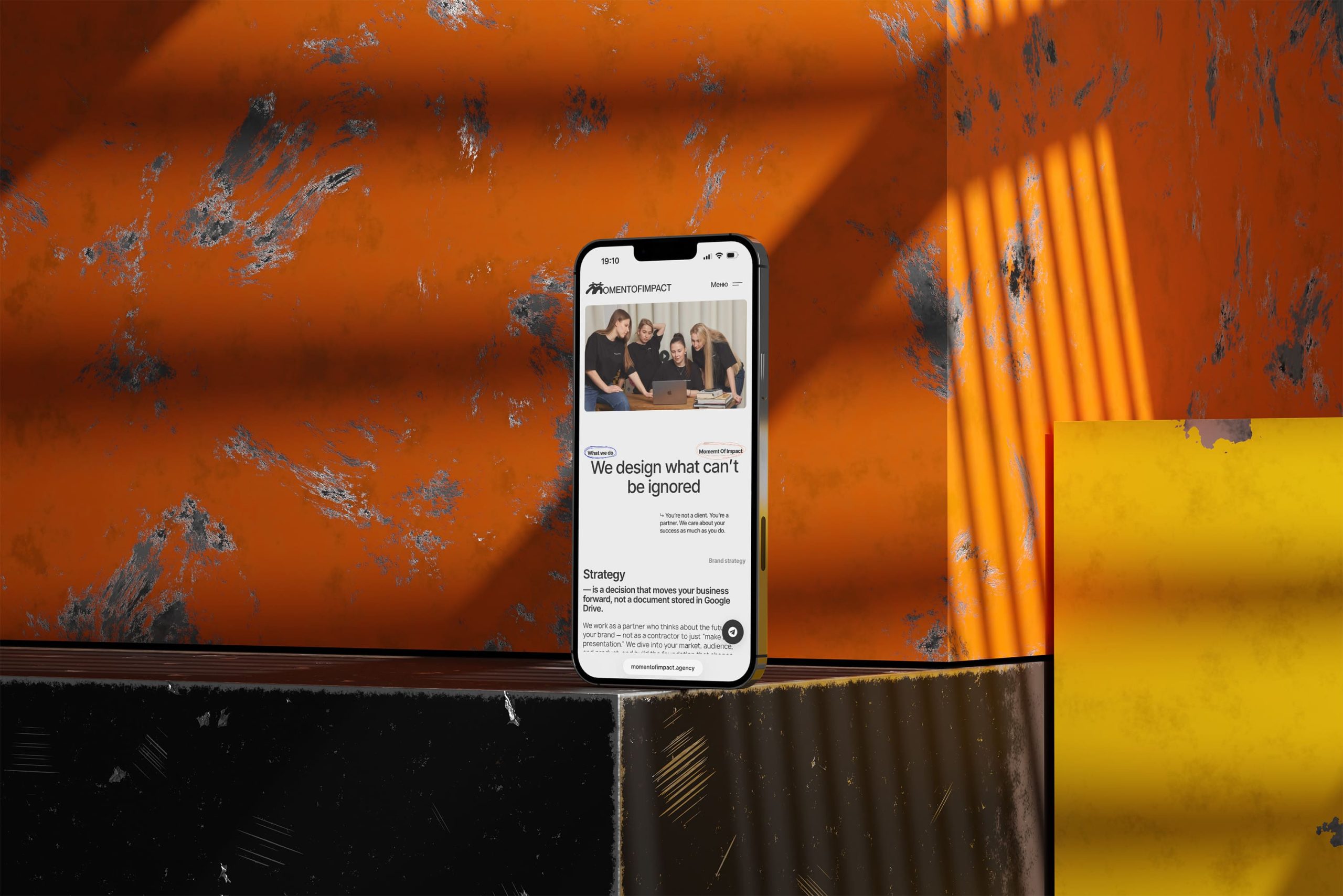
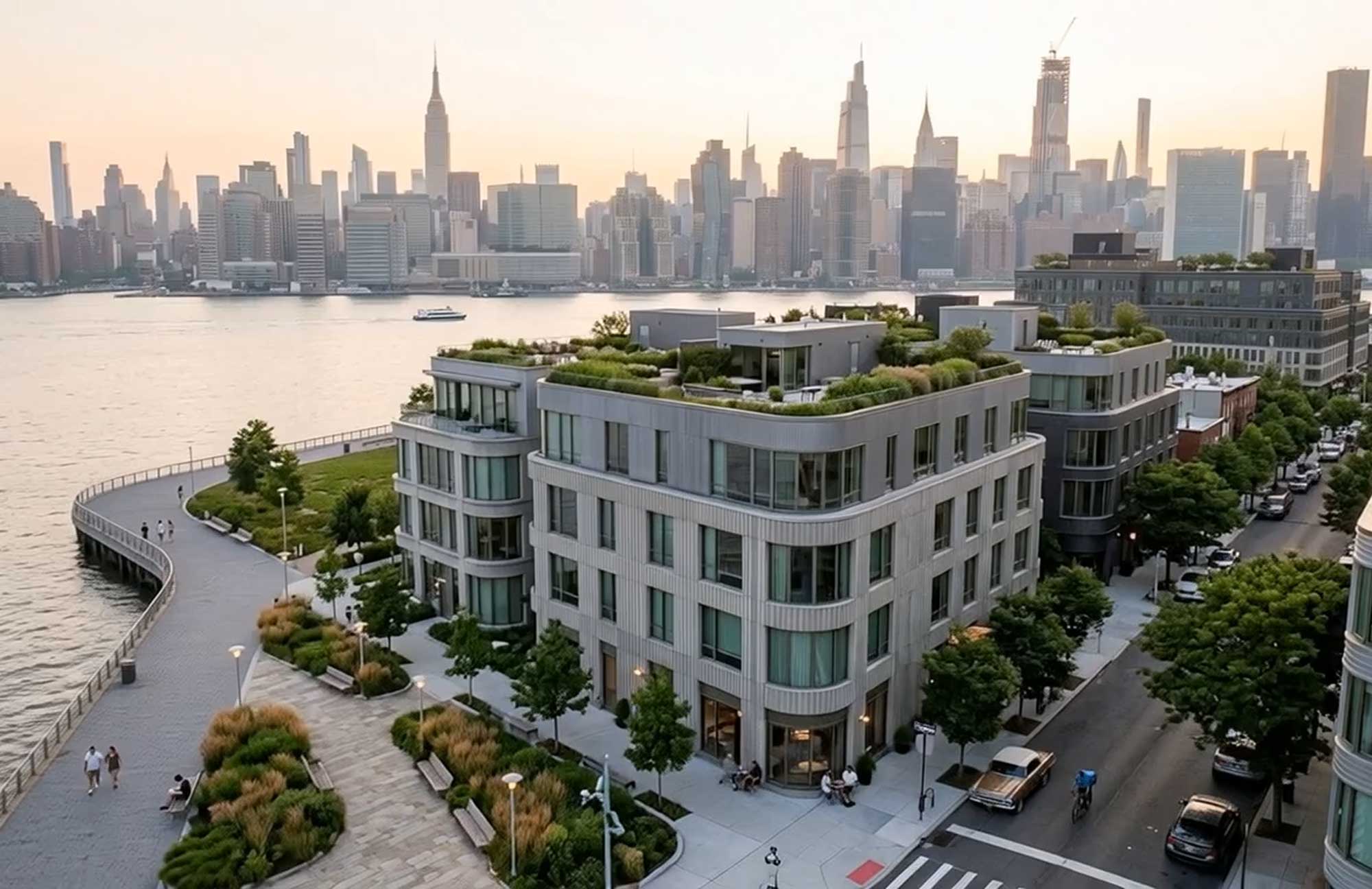
What it’s like to work with MOMENTOFIMPACT


Why hotel websites fail to build trust and drive direct bookings
Even a visually strong hotel website can lose guests when it does not communicate value clearly, makes room comparison difficult or adds friction between interest and booking.
The website does not communicate the hotel’s level or character
Room categories are difficult to understand and compare
The path to direct booking is too long or unclear
Mobile booking creates unnecessary friction
The booking engine feels disconnected from the main website
The structure is not prepared for SEO, paid traffic and analytics

What’s included
1. Website structure
We start with information architecture and navigation, mapping the guest journey from discovery to room selection and booking. The structure may include homepage, rooms and suites, room pages, restaurant and bar, spa and wellness, amenities, destination pages, offers and packages, events, gallery, FAQ, blog and SEO landing pages, and contacts.
2. UX/UI design
We create a modern interface that balances brand atmosphere with a practical booking journey. Availability checks, room selection, key terms and booking CTAs remain easy to understand throughout the experience.
3. Room catalogue
We design room catalogues that make it easy to compare occupancy, size, amenities, views, conditions and other relevant attributes. Where needed, we add filters, rate scenarios, special offers and dedicated landing pages.
4. Hotel presentation
A hotel website should sell the full stay, not only the room. We structure content around architecture, atmosphere, service, F&B, spa, amenities, destination, events and the reasons to choose the property.
5. SEO before design
SEO starts at the structural stage. We map search intent, page hierarchy, URLs, content clusters and internal linking to create a foundation for branded, local, destination and service-based search visibility.
6. Preparing the website for growth
We design mobile-first journeys, campaign landing pages, conversion flows, forms and analytics events. The website is prepared for SEO, Google Ads, Meta Ads, remarketing and future CRO.
7. Online booking and integrations
We integrate a booking engine or prepare the interface for implementation. Depending on the project, we can also connect CRM, PMS, channel manager, forms, maps, chat, email platforms and other tools.
8. Testing and launch preparation
We test responsiveness, critical user flows, forms, integrations, speed, Core Web Vitals, SEO foundations and analytics across major devices and browsers.
9. Dispute resolution
We aim to resolve all work-related matters through open dialogue and mutual understanding. Where a dispute arises, it is handled through negotiation and, where necessary, in accordance with applicable Ukrainian law.
10. Payment for services
Payments are processed through secure third-party payment providers according to the agreed terms of cooperation. We do not store users’ payment details.
Related services
Brand strategy for hotels
Brand audit & market analysis
Brand positioning & value proposition
Segmentation & audience profiles
Brand messaging & tone of voice
Content strategy & communication channels
Identity for hotels
Logo & visual idea
Visual system & brand design language
Brandbook / Guidelines
Design system for digital & offline
Brand assets & corporate design
Social Media Marketing for hotels
Brand & social presence audit
Content strategy & channel roles
Tone of voice & communication messages
Visual system & content templates
Format development (Reels, Stories, carousels, banners)
UX/UI for hotels
Product & user research
User flow & information architecture
Wireframes & prototyping
Visual UI design
Digital product & platform design
We’ll build a system for your project
 After you submit the form, we’ll
suggest the most suitable
collaboration format for your project.
