UX/UI design for medical centers and private clinics
- Medical centers building a new website that want to solve architecture and user journeys before moving into visual design
- Clinics with complex service structures where patients struggle to navigate specialties, procedures, and providers
- Clinic groups and networks with multiple locations, provider teams, and different booking paths
- Healthcare platforms and services offering patient portals, booking products, telehealth, and other healthcare interfaces
- Clinics with low website conversion that generate traffic but lose users before booking or submitting an enquiry
- Healthcare brands after rebranding that need to translate a new identity into a functional digital experience
- Clinics with mobile-first audiences where most discovery and booking activity happens on smartphones
- Teams preparing for redesign that want to redesign around user needs rather than simply update visual styling

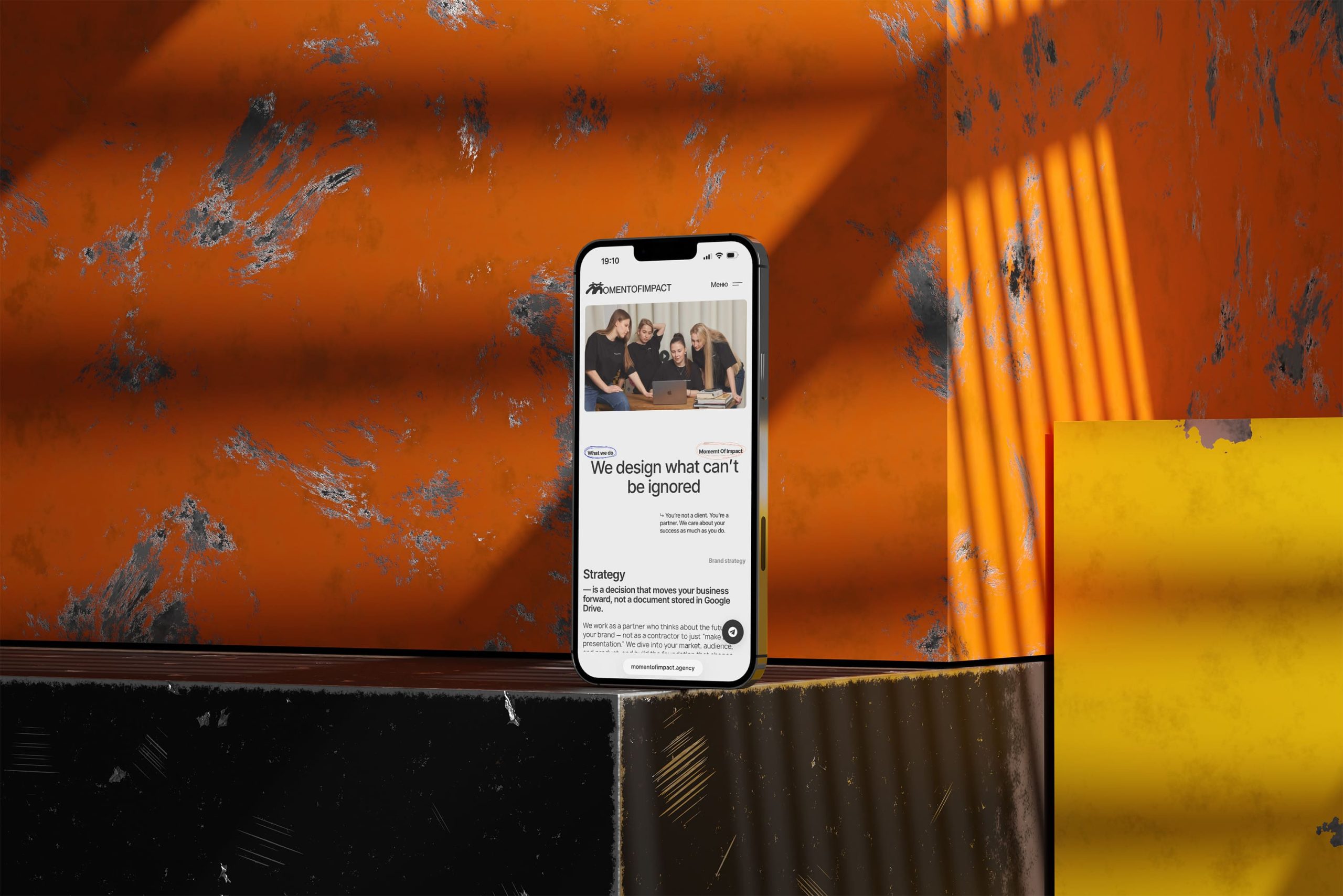

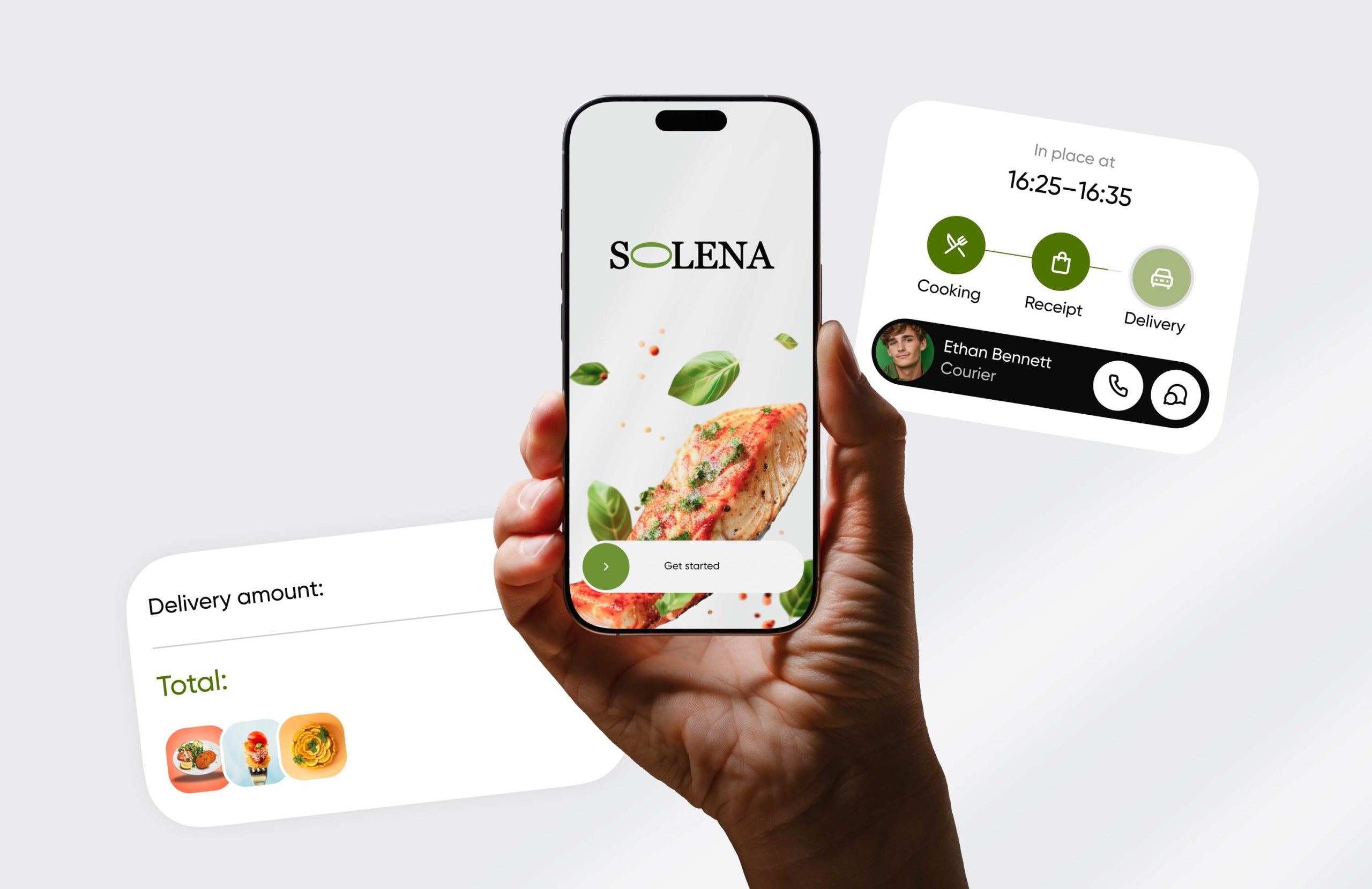
What it’s like to work with MOMENTOFIMPACT



Why healthcare interfaces lose patients before booking
People often arrive at a healthcare website with a specific concern and limited patience for complex navigation. When the interface mirrors internal clinic structures instead of patient intent, even strong content becomes difficult to use.
Services are difficult to find
Provider selection is overwhelming
Booking is disconnected from the user journey
Mobile experience adds friction
The interface does not account for stressful contexts
The design cannot scale

What is included
1. Product and user journey analysis
We review services, audiences, traffic sources, booking methods, team structure, and the current digital experience. From this we define the key jobs the interface needs to support.
2. Information architecture
We organize services, providers, locations, pricing, editorial content, and utility pages. The structure is planned to support users, SEO, and long-term content growth at the same time.
3. User flow design
We map journeys for key scenarios: finding a service, choosing a provider, booking, checking a location, viewing pricing, arriving from a campaign, and returning to saved information.
4. Wireframes and prototyping
We create wireframes to validate hierarchy, content priorities, and interaction before visual design. For complex flows, we build clickable prototypes for review and testing.
5. UX/UI design
We translate the approved logic into a complete interface aligned with the identity. This includes typography, hierarchy, calls to action, states, forms, provider cards, and service pages.
6. Mobile-first and accessibility
Mobile journeys are treated as core journeys. We review readability, contrast, touch targets, interaction clarity, and broader accessibility considerations where relevant to the project.
7. UI kit and design system
We build reusable components, states, spacing rules, typography, and interaction patterns to speed up development and keep future releases consistent.
8. Development handoff and QA
We prepare design files, specifications, and developer handoff. When needed, we provide design QA after implementation to check that key journeys and details match the approved solution.
9. Dispute resolution
We aim to resolve work-related matters through open communication and mutual understanding. Where a dispute arises, the parties will first seek a resolution through negotiation and, when necessary, in accordance with applicable Ukrainian law.
10. Payment for services
Payments are processed through secure third-party payment providers according to the agreed terms. We do not store users’ payment details.
Related services
Social Media Marketing for medical centers and private clinics
Brand & social presence audit
Content strategy & channel roles
Tone of voice & communication messages
Visual system & content templates
Format development (Reels, Stories, carousels, banners)
Website Development for medical centers and private clinics
Website strategy
UX/UI design
Website development
Landing pages
SEO & optimization
Identity for medical centers and private clinics
Logo & visual idea
Visual system & brand design language
Brandbook / Guidelines
Design system for digital & offline
Brand assets & corporate design
Brand strategy for medical centers and private clinics
Brand audit & market analysis
Brand positioning & value proposition
Segmentation & audience profiles
Brand messaging & tone of voice
Content strategy & communication channels
We’ll build a system for your project
 After you submit the form, we’ll
suggest the most suitable
collaboration format for your project.
